

Introduction – A Monument of Power and Legacy
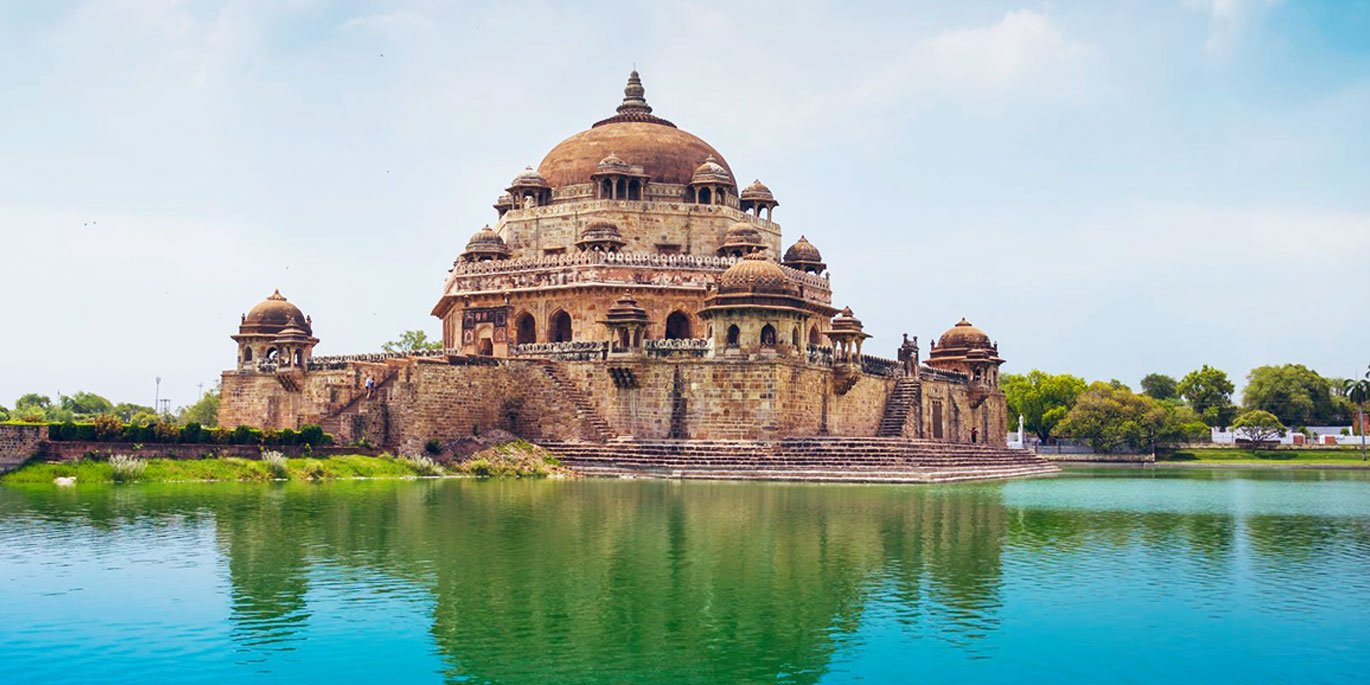
In the heart of Bihar’s Rohtas district lies a mausoleum of striking grandeur: the Tomb of Sher Shah Suri, located in Sasaram. This remarkable 16th-century monument is not just a tribute to the powerful ruler of the Sur Empire, but also a masterpiece of Indo-Islamic architecture, set dramatically in the middle of an artificial lake. Walking the causeway to the island tomb, you step into the legacy of Sher Shah Suri — a ruler known for his reforms, his short yet impactful reign, and the monument that commemorates him. This guide will take you through the history, architecture, visitor information, travel tips, and the enduring significance of this often-overlooked gem in India’s architectural heritage.
1. Historical Background – Sher Shah Suri & the Sur Empire
Born in Sasaram and rising to become the founder of the Sur Empire (1540-1545), Sher Shah Suri left a significant mark on the Indian subcontinent through military victories, administrative reforms and infrastructural innovations.
He died on 22 May 1545 during a siege at Kalinjar, and his body was brought back to Sasaram, where his tomb was completed just a few months later, on 16 August 1545.
The tomb stands as a symbol of his legacy — not only of his power but of architectural vision and engineering ambition in the 16th century.
2. Location & Setting – Sasaram, Rohtas District, Bihar
The Tomb of Sher Shah Suri is situated in Sasaram, in the Rohtas district of Bihar, India.
What makes the setting striking is that the tomb stands on a raised square plinth in the middle of an artificial lake, accessible by a causeway.
The large body of water around the tomb enhances its grandeur and gives it a unique sense of isolation and importance. Even its nickname “Pani Roza” (water tomb) reflects this dramatic setting.
3. Architectural Significance – Form, Style & Symbolism
The mausoleum is built of red sandstone, and its architecture blends Indo-Islamic and Afghan influences.
Here are key architectural features:
- It is a three-storied structure rising to approximately 122 ft (about 37 m) in height.
- The plan is octagonal, with each of the eight sides featuring three arches on each face at the first level.
- It stands on a large square plinth and is surrounded by zero access from the west except the mihrab side — a typical mosque-tomb fusion.
- On each corner of the structure are chhatris (domed pavilions) and a large central dome with cupola.
- The artificial lake, causeway entrance, wide steps, water reflections and symmetrical design contribute both to its visual impact and to its symbolic meaning.
Architectural historians often place this monument as a predecessor to the later Mughal grand tombs such as the Humayun’s Tomb in Delhi.
4. What to See on-site – Highlights & Experience
When you visit the tomb, make sure to allocate sufficient time and consider the following:
- Approach via the Causeway: The walk across the water sets a contemplative mood and allows you to photograph the tomb framed by the lake.
- Exterior Details: Notice the symmetrical arches, the chhatris, the dome, and the plinth-design.
- Interior Chamber: The mortuary chamber houses the cenotaph of Sher Shah Suri and his family, and features carved details, jali screens and mihrab niche.
- Lake & Surroundings: The calm water surface enhances reflections of the tomb — good for photography at early morning or late afternoon.
- Interpretation Board / Signage: Take time to read the historical panels on site (if available).
- Nearby Structures: You may also explore the tomb of Hasan Khan Suri (Sher Shah’s father) located nearby, and other Sur-dynasty relics.
5. How to Reach & Best Time to Visit
Location: Maa Jarina Road (near Grand Trunk Road), Sasaram, Rohtas District, Bihar.
Nearest major access points:
- Railway: Sasaram Railway Station is well connected to major routes like Delhi-Howrah corridor.
- Road: On National Highway 2 (Grand Trunk Road) which links major cities.
- Interior Chamber: The mortuary chamber houses the cenotaph of Sher Shah Suri and his family, and features carved details, jali screens and mihrab niche.
- Best Time to Visit: October to March offers pleasant weather and better visibility.
- Suggested Visit Duration: Plan at least 2-3 hours for the monument itself, more if exploring the town or nearby heritage sites.
- Entrance & Facilities: Check onsite for entry fee, opening times. As with many heritage sites, facilities might be limited — carry water, wear comfortable shoes, be prepared for uneven terrain.
6. Travel Tips & Visitor Insights
- Wear comfortable walking shoes — the causeway, steps and plinth may be uneven.
- Opt for early morning or late afternoon for best light for photos and fewer crowds.
- Respect the site: It is a protected monument under Archaeological Survey of India (ASI). Avoid climbing on fragile parts.
- Bring a camera — from different vantage points (causeway, lake-edge) you’ll capture unique views.
- Nearby Sasaram town offers local food and markets — plan some buffer time.
- Extend your trip: If time allows, visit the other Sur-dynasty monuments in the region.
- In monsoon season (July-September) the lake may be full; plan accordingly.
- Consider hiring a local guide to gain richer context about the Sur dynasty, tomb symbolism and architecture.
7. Nearby Attractions & Travel Extensions
While the tomb is the main highlight in Sasaram, you can include:
- Rohtas Fort: A massive hill-fort nearby linked to the Sur dynasty heritage.
- Tomb of Hasan Khan Suri: Another related tomb near Sasaram worth a quick visit.
- Sasaram City: Explore local culture, cuisine and smaller heritage sites around the district.
- Bihar Heritage Loop: If you’re on a longer trip, combine with Bodh Gaya, Nalanda or Patna for a richer experience.
8. Cultural & Historical Significance
The Tomb of Sher Shah Suri stands not only as a final resting place but as a symbol of:
- Administrative and Military Excellence: Sher Shah implemented major reforms (coins, roads, postal system) in the mid-16th century.
- Architectural Innovation: The setting of the building in a lake, the octagonal plan, and the fusion of Afghan, Indian and Islamic elements show transition in Indian tomb architecture.
- Neglected Heritage Revival: Though less visited than other monuments in India, this tomb offers a deeper, quieter heritage experience mostly off the tourist radar.
- Visual Legacy: The monument was once considered by some historians as “even better than the Taj Mahal” for its early tomb architecture.
9. Interesting Facts & Highlights
- The tomb was completed on 16 August 1545, just about three months after Sher Shah’s death in May 1545.
- It is said to have stood as the largest mausoleum in India at the time of its completion.
- The artificial lake around the tomb originally measured about 1,200 ft east-west by 900 ft north-south.
- The tomb is accessible only via a causeway over the water, giving it an island-palace effect.
- While the famed Taj Mahal (built later) is more widely known, the tomb of Sher Shah Suri holds a key place in the evolution of Indo-Islamic mausoleum architecture.
- Many visitors and historians believe it is under-visited and offers a quieter, more contemplative heritage experience compared to major tourist sites.
10. Why You Should Visit the Tomb of Sher Shah Suri
If you’re intrigued by lesser-known heritage, architectural elegance, or historical layers beyond the mainstream, the Tomb of Sher Shah Suri is an enriched destination. It combines:
- A dramatic visual setting (tomb in lake, red sandstone, causeway).
- Depth of history (Sur dynasty, reforms, tomb-building tradition).
- Off-beat travel charm (fewer crowds, more serenity).
- Photographic and contemplative appeal (water reflections, early morning light).
For someone travelling in Bihar or exploring India’s architectural heritage beyond the usual, this is a must-include stop. It offers both the “wow” moment of grandeur and the quiet pause of history.
Conclusion – A Journey Worth Taking
Visiting the Tomb of Sher Shah Suri is stepping into a narrative of power, architecture and legacy. From the causeway across the lake, your first glimpse of the reddish monument rising in symmetry is memorable. Walking inside, reading the echoes of the past, and reflecting on the Sur emperor’s story makes it more than just a stop—it becomes an experience of connecting with India’s layered history.
So plan your journey with care—go early, look for the light, absorb the calm, and bring your curiosity. In doing so you’ll leave Sasaram with more than photos—you’ll leave with insights into a period of Indian history often overshadowed, but richly meaningful.