

Introduction - The Sacred Land of Enlightenment
In the heart of Bihar lies a place unlike any other — Bodh Gaya. This humble town holds monumental significance, for it is the site where Prince Siddhartha Gautama sat in meditation, achieved enlightenment, and became the Buddha. It is here, under the sacred Bodhi Tree, that a spiritual journey changed the course of history.
Today, Bodh Gaya is a magnet for pilgrims and travellers alike — a place of quiet introspection, rich history, architecture, and living spirituality. Whether you come for the faith, the heritage, or simply to absorb an aura of peace, this travel guide will walk you through what to know, see, do and plan so your visit becomes meaningful and memorable.
1. Historical Significance – Where the Buddha Was Enlightened
The story of Bodh Gaya begins with Siddhartha Gautama, who after years of seeking truth, sat under a great tree — the Bodhi Tree — and attained full enlightenment. This event marks the birth of Buddhism, and the very ground here is considered sacred.
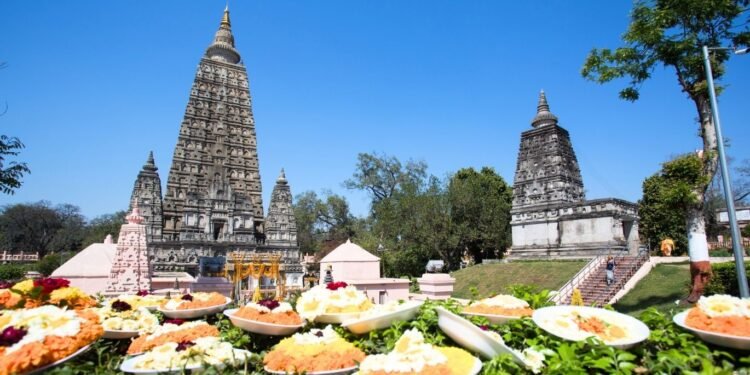
The principal shrine, the Mahabodhi Temple — or “Great Awakening” Temple — stands as a testament to centuries of devotion and architectural evolution. Originally started around the time of Emperor Ashoka in the 3rd century BCE, it grew through the Gupta period and beyond.
Walking its lawns, meditating under ancient trees, and feeling the hush of the place, you might sense the immensity of what transpired: the moment of awakening that sparked a spiritual path followed by millions.
2. The Mahabodhi Temple Complex & The Bodhi Tree
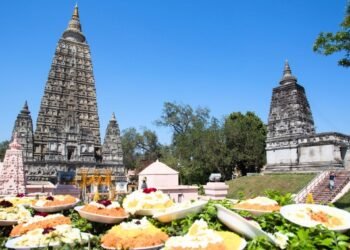
At the heart of Bodh Gaya lies the Mahabodhi Temple complex — a UNESCO World Heritage Site. As you enter the grounds, the soaring spire of the main temple draws your eye upward, while at its base lies the sacred Bodhi Tree — considered a direct descendant of the original tree under which the Buddha meditated.
The temple’s design blends grandeur with spiritual simplicity. Built of brick, adorned with imagery of the Buddha, and surrounded by smaller shrines and stupas, it offers a powerful visual and contemplative experience.
Visitors often walk the circumambulatory path around the main shrine, join the monks in prayer, or simply sit quietly in the garden under the Bodhi Tree, letting the stillness settle in.
3. What to Do & What to See
- Walk the Temple Grounds: Begin with the Mahabodhi Temple — observe its architecture, climb its steps, and pause for reflection at the Bodhi Tree.
- Visit the Bodhi Tree Garden: Under the canopy of the Bodhi Tree is where the Buddha attained insight. Sit here for a moment of calm.
- Explore Monasteries & International Temples: Bodh Gaya hosts Buddhist temples and monasteries from countries like Thailand, Bhutan, Japan, Myanmar and Tibet — each reflecting their unique architectural style.
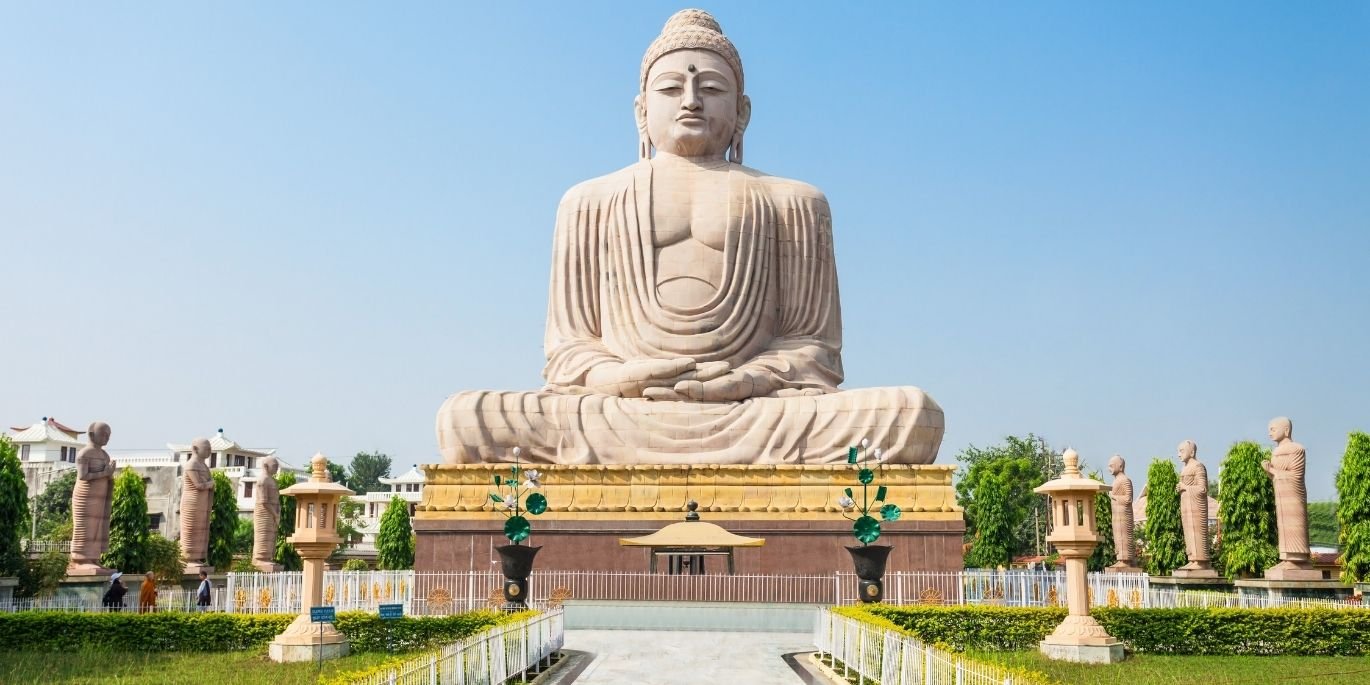
- Great Buddha Statue & Lotus Pond: A tall statue of the meditating Buddha dominates one part of the complex — perfect for photography and quiet contemplation.
- Meditation & Quiet Time: Whether you join a guided session or meditate on your own, the place invites stillness.
- Evening Aarti / Chants: Some monasteries hold evening ceremonies. The soft chants, incense and gentle glow create a memorable ambience.
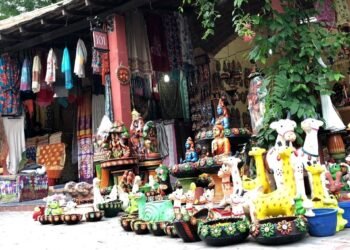
- Explore the Town: Beyond the temples, stroll Bodh Gaya’s narrow lanes, visit local cafés, browse small shops offering Buddhist art and souvenirs.
4. When to Visit & How to Get There
Best time to visit: October to March offers pleasant weather — less heat, fewer mosquitoes, better overall comfort.
How to reach:
- By air: The nearest airport is in Gaya (about 16 km away). From there take a taxi or local transport.
- By train: Gaya Railway Station connects to major cities; from there it’s a short ride to Bodh Gaya.
- By road: Well-connected bus and taxi services from Patna and other towns.
Getting around locally: The temple zone is compact and walkable. Auto-rickshaws and cycle-rickshaws operate in the town; negotiate fares in advance.
5. Accommodation & Staying There
Bodh Gaya offers a range of accommodations — from simple pilgrim hostels to comfortable heritage stays and international-style hotels. Consider staying near the temple complex for ease of early-morning visits and temple access. Take care of bookings during major Buddhist festivals when occupancy rises.
6. Culture, Etiquette & Practical Tips
- Dress modestly when visiting the temple complex — shoulders covered, knees mostly covered.
- Remove shoes and hats in sacred zones as required.
- Be respectful of meditating monks and pilgrims — keep the noise to a minimum.
- Photography: Outside-photography generally fine; inside some temples or meditation halls may restrict cameras — check on-site.
- Early mornings bring the best light, fewer crowds and a more serene atmosphere.
- Stay hydrated; carry water and light snacks.
- The local market offers handicrafts, Tibetan goods and Buddhist souvenirs — do a little price comparison before buying.
7. Staying & Eating Local
There are many cafés and small restaurants around Bodh Gaya catering to international visitors — vegetarian meals are common. Sample local Bihar cuisine for authenticity and value. Street-food near the temples offers simple staples; choose hygienic places especially if your stomach is sensitive.
8. Nearby Attractions & Extensions
- Dungeshwari (Mahakala) Caves: Just outside Gaya, the Buddha spent time meditating here before proceeding to his enlightenment.
- Gaya Town & Vishnupad Temple: For a broader cultural experience in the region.
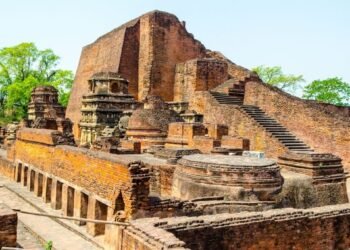
- Buddhist Circuit: Connect your visit to other Buddhist heritage Delhi to Bihar, including Sarnath and Nalanda for a multi-day spiritual tour.
9. Top Facts & Insights
- The Bodh Tree in the temple complex is believed a descendant of the original tree under which the Buddha attained enlightenment.
- The Mahabodhi Temple marks the site of a major event in world religion — the Buddha’s awakening — and has been a place of pilgrimage for over 2,000 years.
- The temple is one of the earliest brick structures still standing in India from the Gupta period onward.
- Bodh Gaya draws pilgrims and tourists from around the world, making it unlike many other Indian heritage sites — truly global in appeal.
10. Why Bodh Gaya Should Be on Your Travel List
Whether you travel for vibrant heritage, spiritual reflection, architecture, or simply to be in a place of stillness — Bodh Gaya delivers. The fusion of ancient history, living tradition and the palpable silence of meditation grounds make it a destination that stays with you. Unlike a standard tour-stop, Bodh Gaya invites you to pause, reflect and feel something deeper.
Conclusion – A Journey Worth Every Step
From the earliest dawn prayers in the temple bells to the quiet hushed moments under the Bodhi Tree, Bodh Gaya rewards with more than just photo-opportunities — it offers perspective. A visit here allows you to stand where the Buddha stood, meditate where he meditated, and absorb the calm that has drawn pilgrims for millennia.
If you’re planning a trip to Bodh Gaya, allow extra time — for early morning contemplation, for café chats with fellow travellers, and for simply sitting beneath the tree and letting time slow. With this guide, you’re well-prepared; now go, explore, reflect, and let Bodh Gaya leave its imprint.