

Introduction – Delhi’s Cultural Melting Pot
Tucked away in the heart of South Delhi is a market that celebrates the soul of India — Dilli Haat. Unlike any ordinary bazaar, Dilli Haat is an open-air crafts village that brings together the country’s rich diversity in a single space.
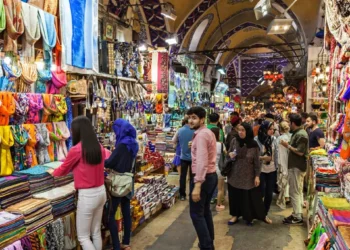
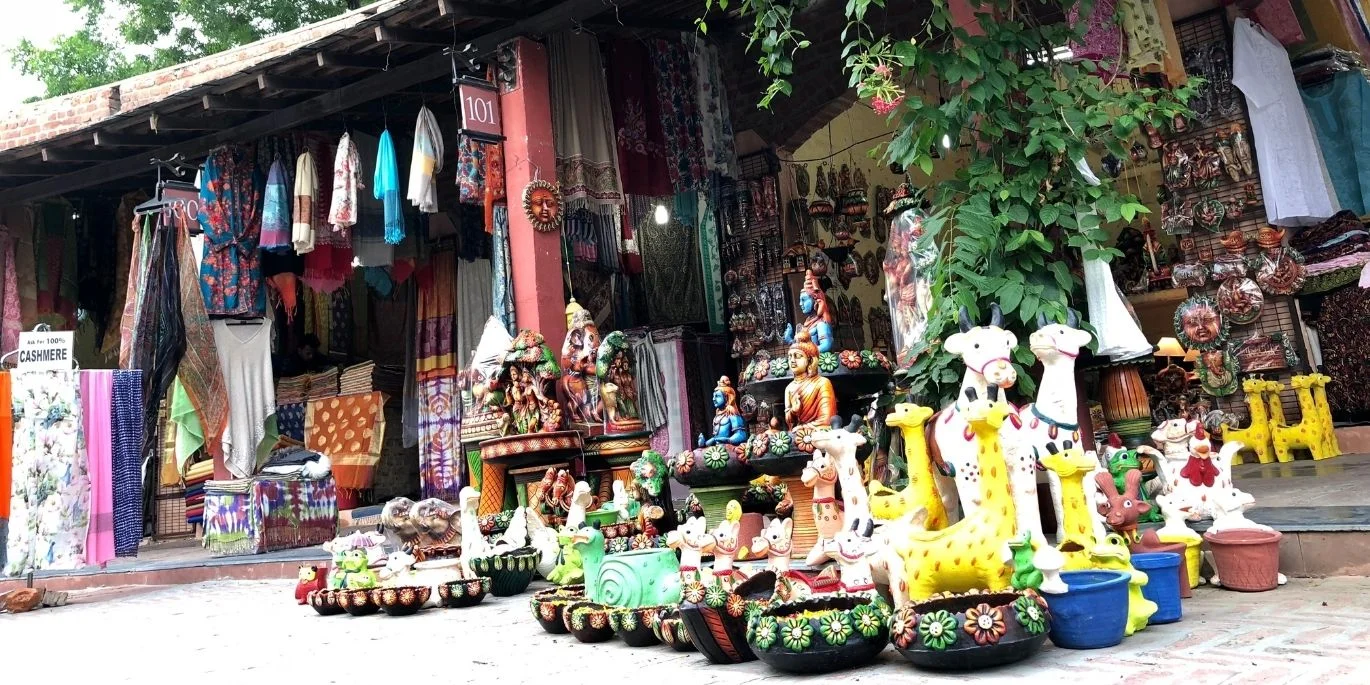
Here, artisans from across India display their handmade crafts, folk art fills the air with colour, and the aroma of regional cuisines makes every corner tempting. From Kashmiri shawls to Rajasthani mojris, Manipuri handlooms to Bengali jewellery — every stall is a window into India’s cultural mosaic.
Whether you’re a traveller, photographer, shopper or food lover, Dilli Haat is a must-visit for an authentic Indian experience.
History & Concept – A Village Inside a City
The concept of Dilli Haat was developed by the Delhi Tourism and Transportation Development Corporation (DTTDC) in collaboration with NDMC and the Ministry of Textiles.
- Inaugurated: March 1994
- Location: Opposite INA Market, Sri Aurobindo Marg
- Design: Modeled as a traditional haat (village market) with thatched roofs, brick walkways, and open courtyards.
Today, there are three major Dilli Haats in Delhi:
- Dilli Haat INA (original)
- Dilli Haat Pitampura
- Dilli Haat Janakpuri
But the INA location remains the most popular and authentic.
Architecture & Layout – Rustic Charm Meets Modern Ease
Designed to resemble a traditional rural bazaar, Dilli Haat features mud-brick structures, terracotta decor, and open spaces surrounded by greenery.
- Stalls: About 60 craft stalls and 25 food stalls.
- Pathways: Paved with red brick and stone, creating a village-style feel.
- Amphitheatre: Used for folk music, dance performances, and cultural events.
- Accessibility: Wheelchair ramps and public facilities available.
The layout encourages you to wander slowly, discover new stalls, interact with artisans, and soak in the relaxed vibe of India’s countryside — right in the middle of the capital.
Shopping in Dilli Haat – Crafts from Every Corner of India
If you love handmade goods, Dilli Haat is a treasure trove. Here’s what you’ll find:
Handicrafts
- Kashmir: Pashmina shawls, paper mâché boxes, carpets
- Rajasthan: Blue pottery, jewellery, leather bags
- Odisha & West Bengal: Pattachitra paintings, Kantha work
- North-East: Bamboo craft, Naga shawls, tribal jewellery
- Uttar Pradesh: Brassware, wood toys, Banarasi textiles
Textiles & Fashion
From handloom saris to block-printed skirts and scarves, every stall has a story to tell. Fashion designers and tourists often flock here for authentic fabrics and bohemian wear.
Home Décor & Souvenirs
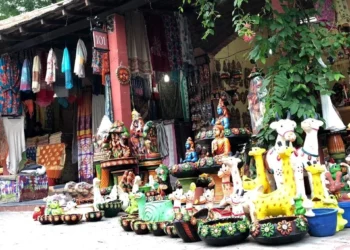
Colorful lamps, wooden furniture, wall hangings, and miniature art pieces make it perfect for souvenir shopping.
Tip: Always bargain politely — most artisans are open to negotiation.
Food & Cuisine – A Pan-Indian Feast
Dilli Haat is not just about shopping — it’s a culinary journey through India.
Each state has a food stall serving regional specialties:
- Rajasthan: Dal Baati Churma, Laal Maas
- Punjab: Amritsari Kulcha, Lassi
- Goa: Fish Curry, Bebinca
- Sikkim: Momos, Thukpa
- Nagaland: Smoked pork, bamboo shoot curry
- Bengal: Fish cutlet, Rosogolla
- Kerala: Appam with stew, filter coffee
Grab a plate, find a spot under the shade, and enjoy authentic flavours from different corners of the country.
Cultural Performances & Events
Dilli Haat regularly hosts folk dances, art exhibitions, fashion shows, and craft fairs organized by the Ministry of Textiles and Tourism Board.
Major annual events:
- Dilli Haat Festival of Arts and Crafts
- North East Festival
- Handloom Week
- Food Festivals (Street Food Festival, Mango Festival)
On weekends, you’ll often find folk musicians, puppet shows, and live performances that add energy to the space.
Timings & Entry Fee
- Open: Daily (10:30 AM – 10 PM)
- Entry Fee: ₹30 (adults), ₹20 (children), ₹100 (foreign tourists)
- Best Time to Visit: October to March for pleasant weather and festive events.
Evenings are especially magical – the lanterns glow, folk music fills the air, and the market comes alive with color and conversation.
How to Reach Dilli Haat
Location: Opposite INA Market, Sri Aurobindo Marg, New Delhi.
Nearest Metro: INA Metro Station (Yellow Line) — right at the entrance.
By Bus: Regular DTC services to INA Market bus stop.
By Auto/Taxi: Easily accessible from anywhere in South Delhi or Central Delhi.
Parking: Available next to the market.
Dilli Haat for Tourists & Photographers
Photographers love Dilli Haat for its vivid colours, rustic architecture, and people portraits. For tourists, it offers a safe, authentic, and vibrant snapshot of India within a few hours.
Pro Tip: Visit on weekday mornings for fewer crowds and better lighting for photography.
Nearby Attractions
- Safdarjung Tomb (2 km)
- Lodhi Garden (3 km)
- Hauz Khas Village (4 km)
- India Habitat Centre (2.5 km)
- Sarojini Nagar Market (1.5 km)
You can combine these spots for a perfect day out in South Delhi.
Tips for Visitors
- Carry cash — not all stalls take cards.
- Stay hydrated and wear comfortable footwear.
- Negotiate gently when buying crafts.
- Evenings are cooler and ideal for food and events.
- Respect craftsmen — many travel from rural areas for this platform.
- Photography is allowed but ask before clicking close-ups of vendors.
Dilli Haat as a Cultural Symbol
Dilli Haat is more than a market — it’s a celebration of India’s diversity. It connects rural craftsmen to urban buyers and introduces foreign visitors to authentic Indian culture.
For young artists, it’s a launch platform. For families, a weekend retreat. For tourists, a microcosm of India’s colors and flavours.
Conclusion
If Delhi is a mosaic of cultures, Dilli Haat is its most vibrant tile. It’s where every state of India speaks through its craft, taste, and music. Spend an hour or a day here — you’ll leave with souvenirs and stories that last a lifetime.
From the clinking of brass bells to the sizzle of pakoras and the laughter of street performers, Dilli Haat is Delhi’s soul in motion.