

Introduction
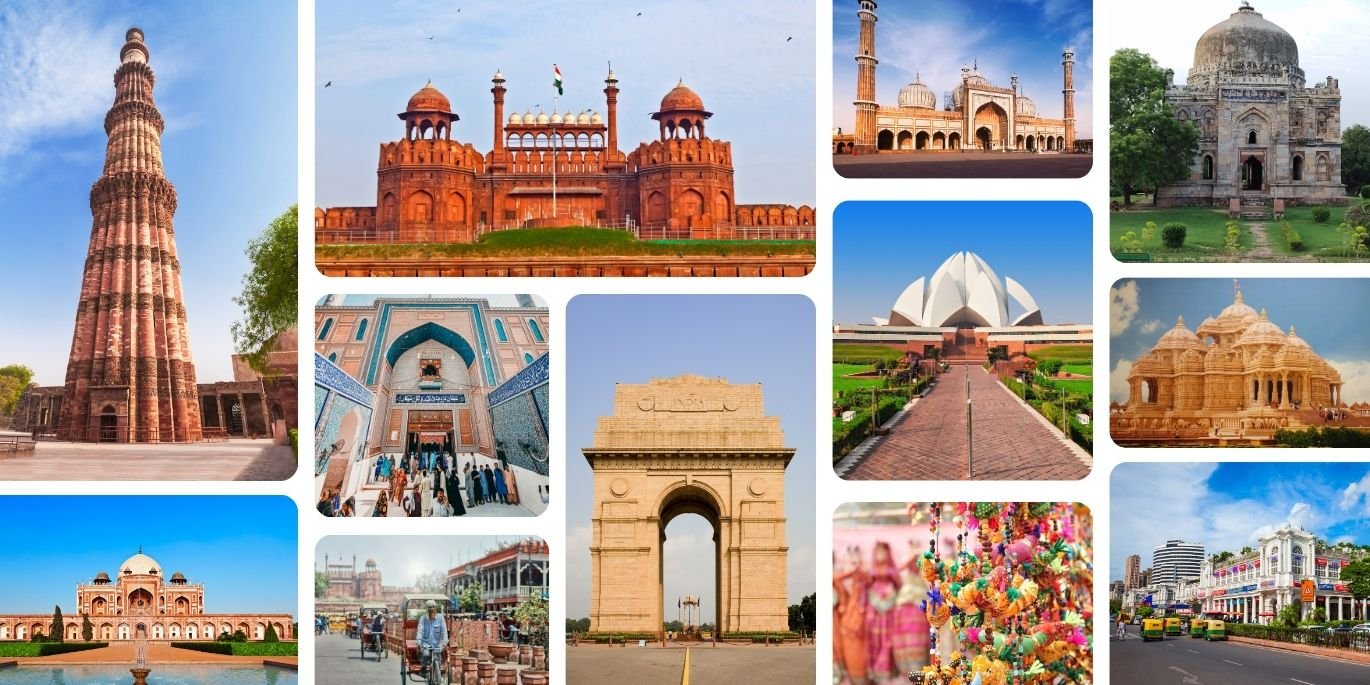
The vibrant capital city of India, Delhi, is a rich tapestry of history, culture, modernity and tradition. Whether you’re a first time visitor or a seasoned traveler, Delhi offers an extraordinary mix of experiences — from Mughal-era forts to towering colonial arches, serene temples to bustling markets. In this guide we’ll take you through the top 10 tourist places in Delhi you simply must visit, along with practical tips, travel insights and why each place stands out. Let’s dive in and plan your Delhi adventure.
1. Red Fort (Lal Qila)

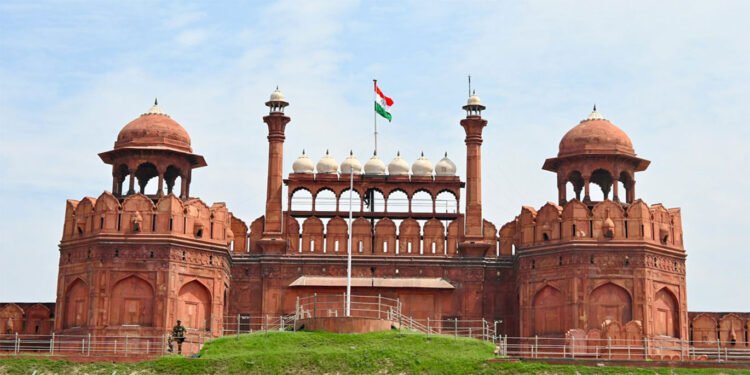
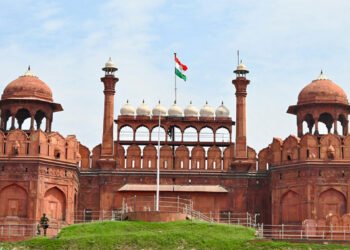
Located in Old Delhi, this massive red sandstone fortress was commissioned by the Mughal Emperor Shah Jahan in 1638 and served as the main residence of the Mughal emperors for nearly two centuries.
Walking through its grand gates, expansive courtyards and palaces, you can feel the echoes of India’s imperial past. The artistry, the scale, the architecture – all combine to make the Red Fort one of Delhi’s most iconic landmarks.
Why visit:
- Immense historical significance: the centre of power during Mughal India.
- Architecture and gardens that reflect a bygone era.
- A peaceful early morning (before the crowds) lets you soak in the ambiance.
Travel tips:
- Arrive early to avoid crowds and get better photos.
- Closed on Mondays (for some areas) - check current schedule.
- Wear comfortable shoes - there’s a lot of ground to cover.
- Visit the evening sound-and-light show if possible.
2. Qutub Minar
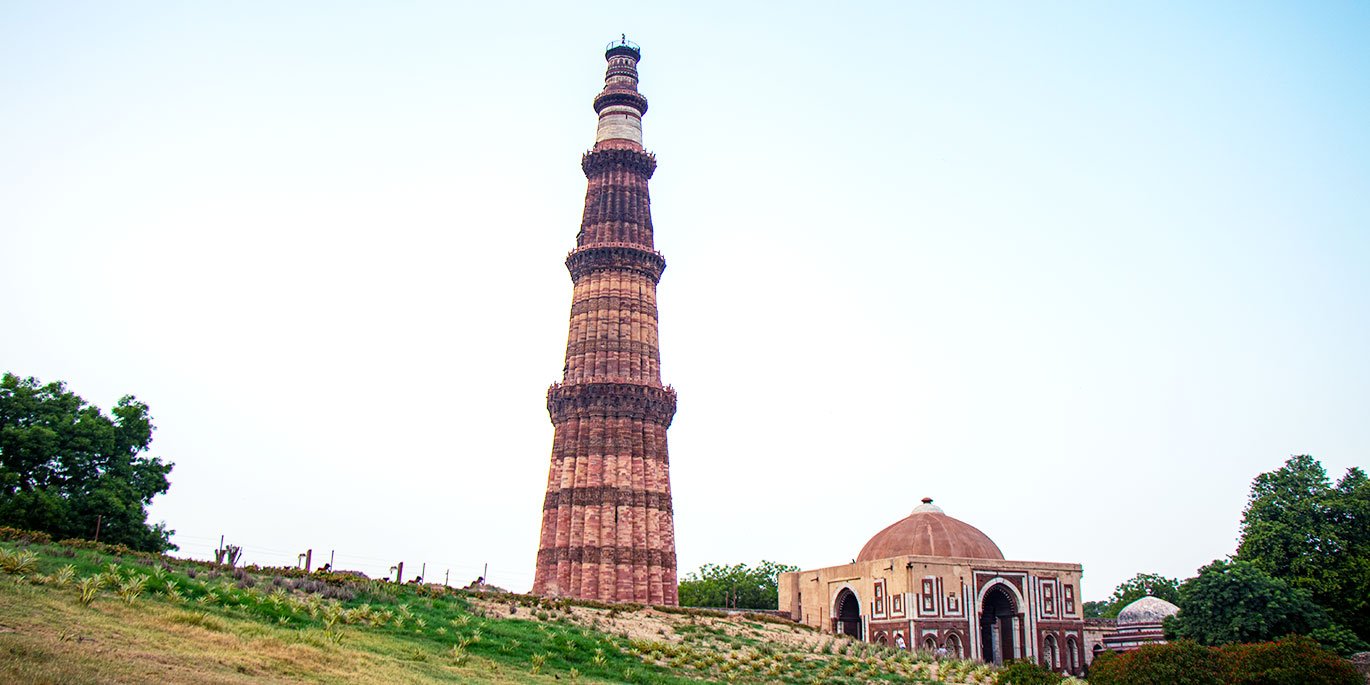
Rising to a height of about 73 meters, the Qutub Minar stands as the tallest brick minaret in the world and a shining example of Indo-Islamic architecture. Located in Mehrauli, South Delhi, this UNESCO World Heritage Site was commissioned by Qutb-ud-Din Aibak in 1192 AD and later completed by his successors. The Qutub Complex surrounding the minaret features ancient ruins, intricately carved sandstone pillars, and beautiful landscaped lawns, offering visitors a perfect blend of history, art, and serenity amidst the bustling capital city.
Why visit:
- UNESCO World Heritage site with outstanding architecture.
- Great photo-ops from many vantage points.
- A bit less hectic than the very centre of Old Delhi.
Travel tips:
- Visit early morning or late afternoon for best light and fewer crowds.
- Combine with nearby Mehrauli ruins or the quieter historic lanes.
- Carry water and hat during hot seasons - open area with little shade.
3. Humayun’s Tomb
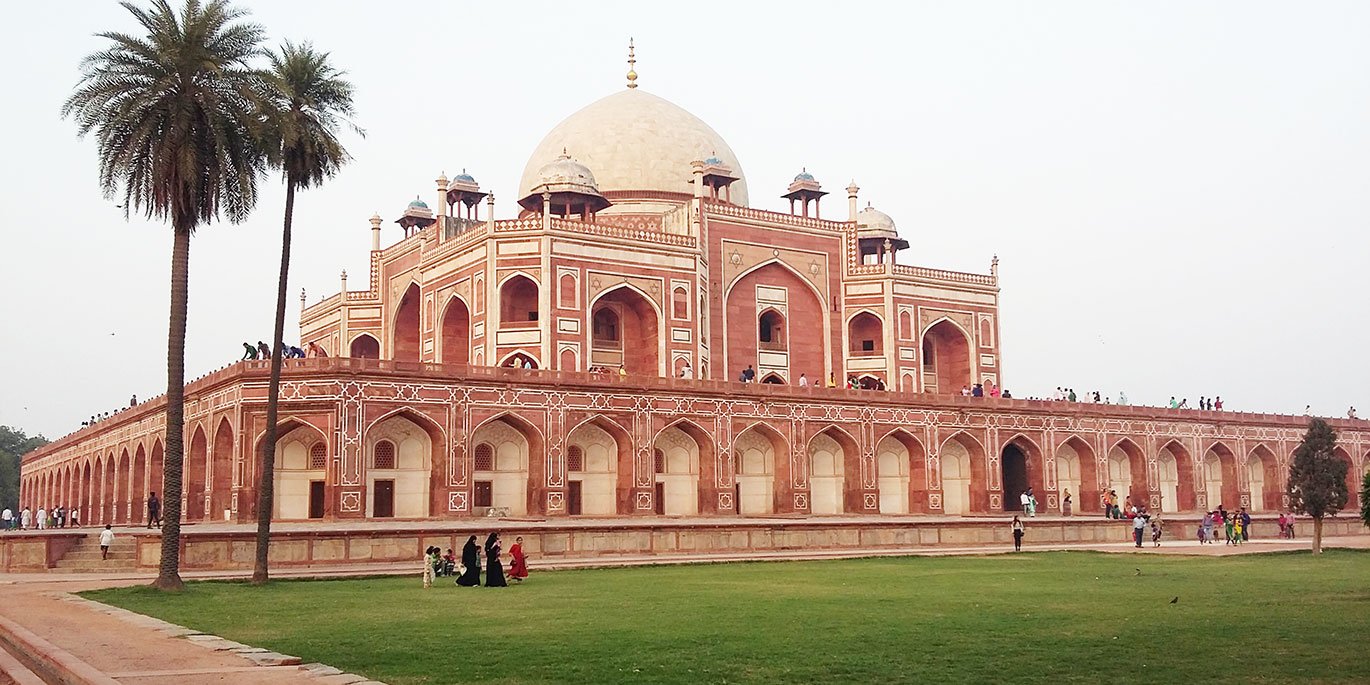
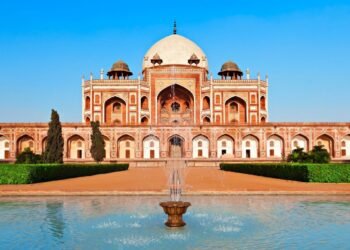
Constructed in 1570, Humayun’s Tomb is a magnificent example of Mughal architecture and a direct precursor to the world-famous Taj Mahal. Commissioned by Empress Bega Begum, the wife of Emperor Humayun, this UNESCO World Heritage Site features lush Persian-style gardens, a grand domed mausoleum, and a perfectly symmetrical design that embodies peace and harmony. The striking combination of red sandstone and white marble, along with the serene pathways and water channels, makes Humayun’s Tomb one of Delhi’s most captivating historical landmarks — a timeless blend of art, architecture, and royal legacy.
Why visit:
- An early example of Mughal architecture that inspired later structures.
- Beautiful gardens to relax in.
- A slightly calmer alternative to some of Delhi’s busiest spots.
Travel tips:
- Visit in early morning for softer light and fewer tourists.
- The tomb is near Nizamuddin East – you might pair with a visit to surrounding neighbourhoods.
- Read up a little on the history before you go - it deepens the experience.
4. India Gate

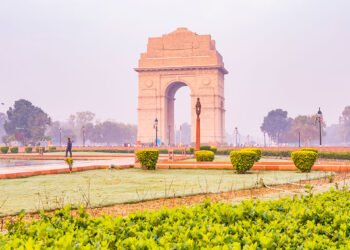
Standing tall in New Delhi, India Gate is a war memorial built in memory of Indian soldiers who died during World War I and the Third Anglo-Afghan War. Located on Rajpath, its sprawling lawns become a popular spot in evenings for families, friends and photo-lovers.
Why visit:
- Iconic landmark of Delhi; a must-see especially at dusk.
- The surrounding lawns provide a relaxing break from the city’s hustle.
- Easy to reach and fits well into a city-walk or evening outing.
Travel tips:
- Evening time adds ambience - lights, chill air, street food.
- Bring a light jacket if you stay into the evening (especially Nov-Feb).
- Combine with neighbouring spots like the Rashtrapati Bhavan area.
5. Lotus Temple
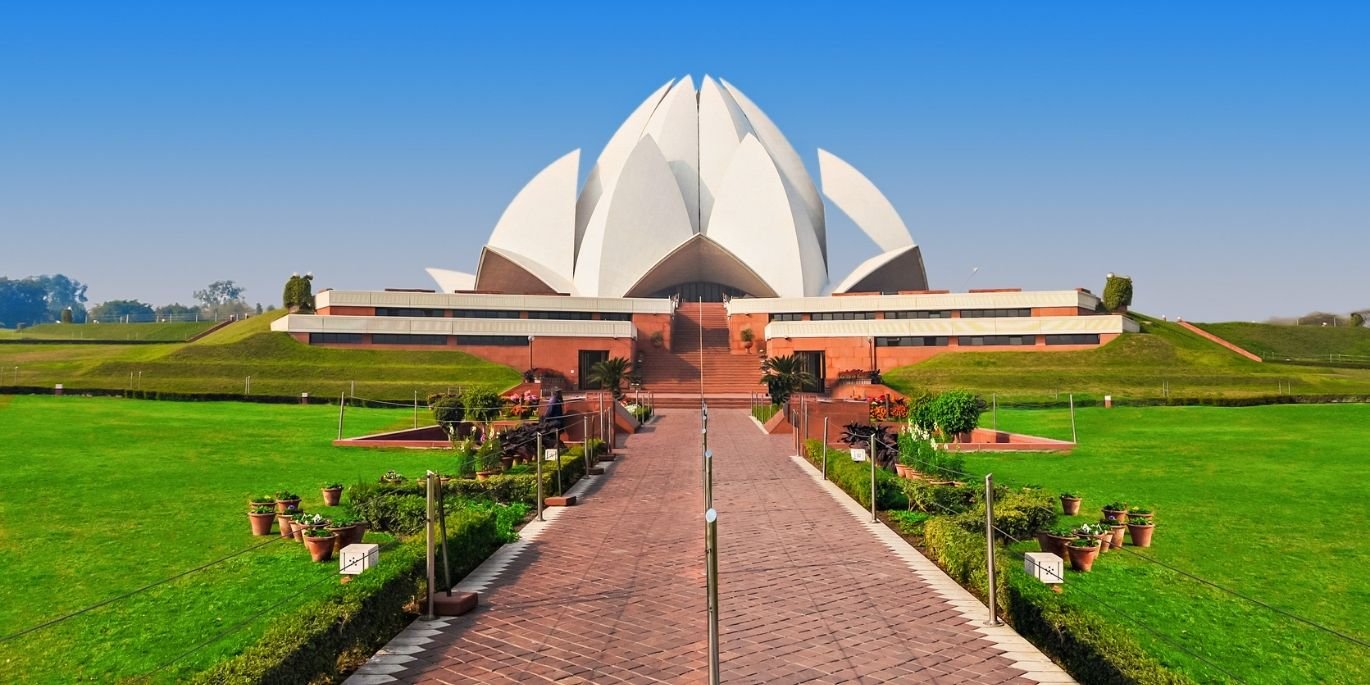
Situated in Kalkaji, South Delhi, the Lotus Temple is a stunning architectural masterpiece and one of the most visited landmarks in the city. Designed in the shape of a blooming lotus flower, this Baháʼí House of Worship welcomes people of all religions and backgrounds. Its marble-clad petals, tranquil interiors, and lush green gardens create a peaceful oasis amid Delhi’s vibrant chaos. Known for its atmosphere of calm and spiritual reflection, the Lotus Temple stands as a symbol of harmony, purity, and universal faith.
Why visit:
- Unique architecture: 27 marble-clad “petals” arranged in clusters of three.
- A quiet, meditative space in the heart of the city.
- Free entry, and ideal for photography and moments of reflection.
Travel tips:
- Dress modestly inside the premises.
- No significant commercial activity inside → great for calm.
- Late afternoon or early evening light is lovely for photos.
6. Akshardham Temple
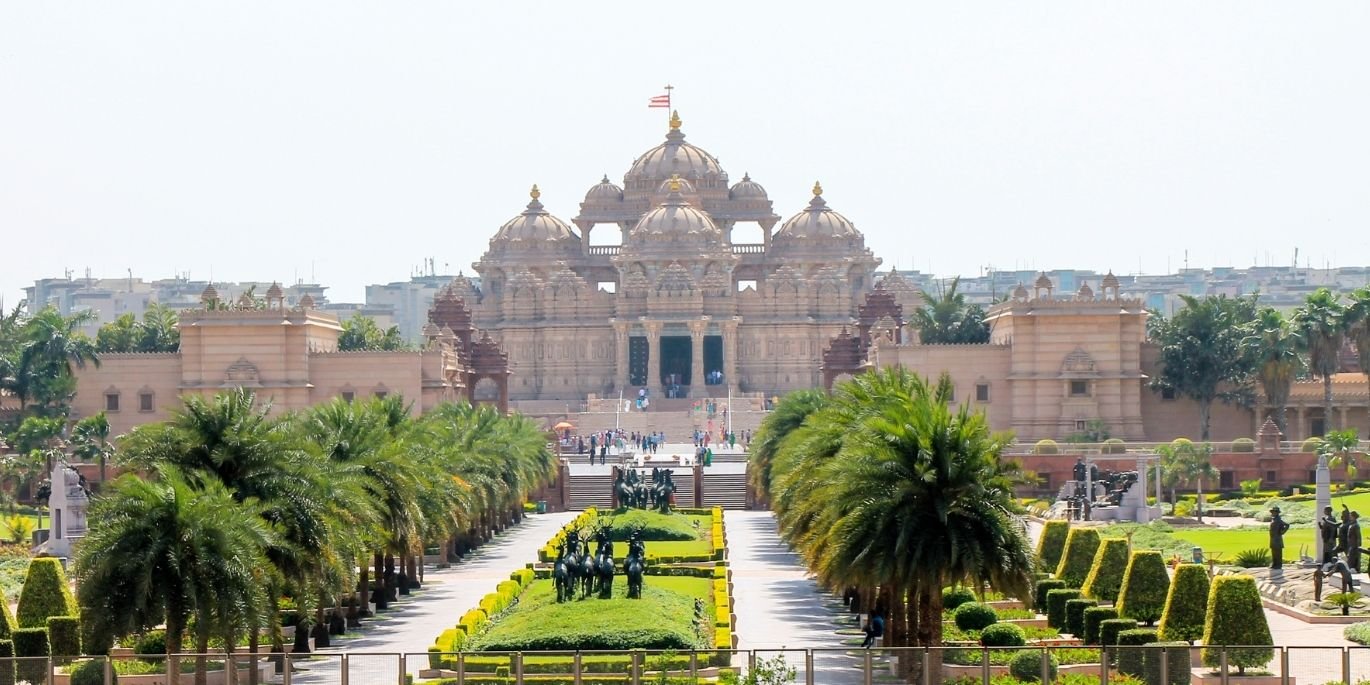
The Akshardham Temple located on the banks of the Yamuna River in East Delhi, is a modern architectural masterpiece that beautifully showcases India’s rich cultural and spiritual heritage. Opened in 2005, this grand temple complex is renowned for its intricately carved sandstone and marble architecture, captivating water shows, and peaceful gardens that celebrate Indian traditions and values. Beyond its spiritual aura, Akshardham offers an immersive experience through exhibitions, a cultural boat ride, and light-and-sound performances, making it one of Delhi’s most awe-inspiring tourist attractions.
Why visit:
- Spectacular architecture and craftsmanship.
- Well-designed for visitors – gardens, exhibitions, boat ride features.
- A full-day experience in itself if you choose to explore thoroughly.
Travel tips:
- Arrive early because security checks can take time.
- There is a strict no-camera policy inside some parts – check on arrival.
- Consider spending entire afternoon and evening here to enjoy the light and sound show.
7. Jama Masjid & Chandni Chowk (Old Delhi)
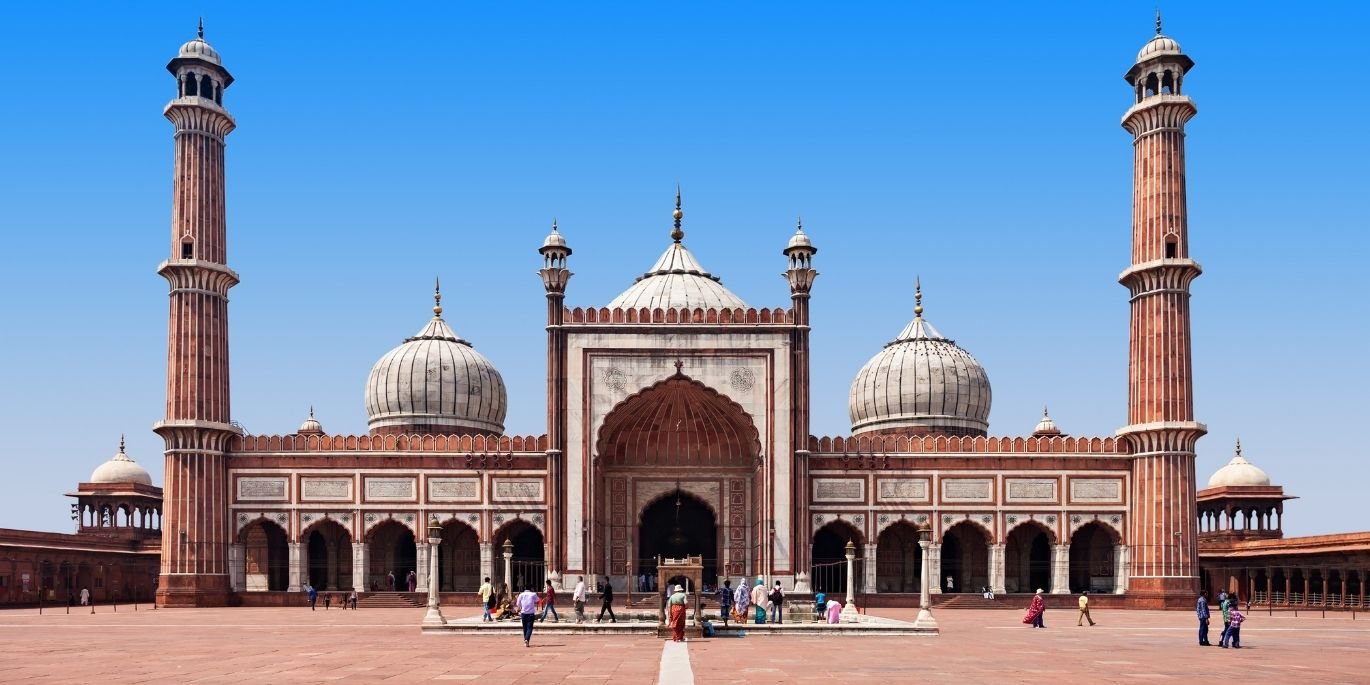
Built between 1644 and 1656 by the Mughal Emperor Shah Jahan, the Jama Masjid stands as one of India’s largest and most magnificent mosques. This grand structure, made of red sandstone and white marble, features three majestic gates, four towers, and two soaring minarets that offer breathtaking views of Old Delhi. Just outside its walls lies Chandni Chowk, a bustling market filled with the aroma of street food, vibrant shops, and centuries-old charm. Together, Jama Masjid and Chandni Chowk provide a complete cultural experience — a journey through the heart, soul, and flavors of historic Delhi.
Why visit:
- Majestic minarets and the ability to climb for a panoramic view of Old Delhi.
- The nearby market area gives a full cultural experience - rickshaws, spices, street-food, heritage lanes.
- Great photo opportunities, both architectural and street-life.
Travel tips:
- Dress respectfully (shoulders & knees covered) inside the mosque.
- Beware of touts who may ask for extra tips for safe keeping of shoes, etc.
- Consider a guided walk through Chandni Chowk to understand its rich history and hidden corners.
8. Lodhi Garden & Historic South Delhi

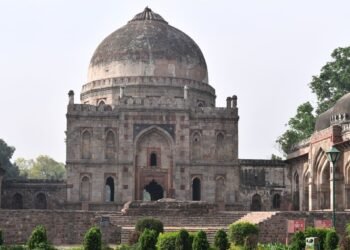
While not always listed in the “top 10” lists, Lodhi Garden is a refreshing escape. It features tombs from the Lodhi dynasty amidst greenery – perfect for a morning walk or picnic.
Why visit:
- A greener, more relaxed area compared to dense city zones.
- Blend of nature and history: you’ll find peaceful lawns, historic domes and quiet corners.
- Ideal for photography, jogging, or just a restful break from busy touring.
Travel tips:
- Early morning is best to avoid both heat and crowds.
- Bring water and sun-protection if visiting midday.
- Combine with nearby neighbourhoods in South Delhi for a full day outing.
9. Connaught Place & Modern Delhi Buzz
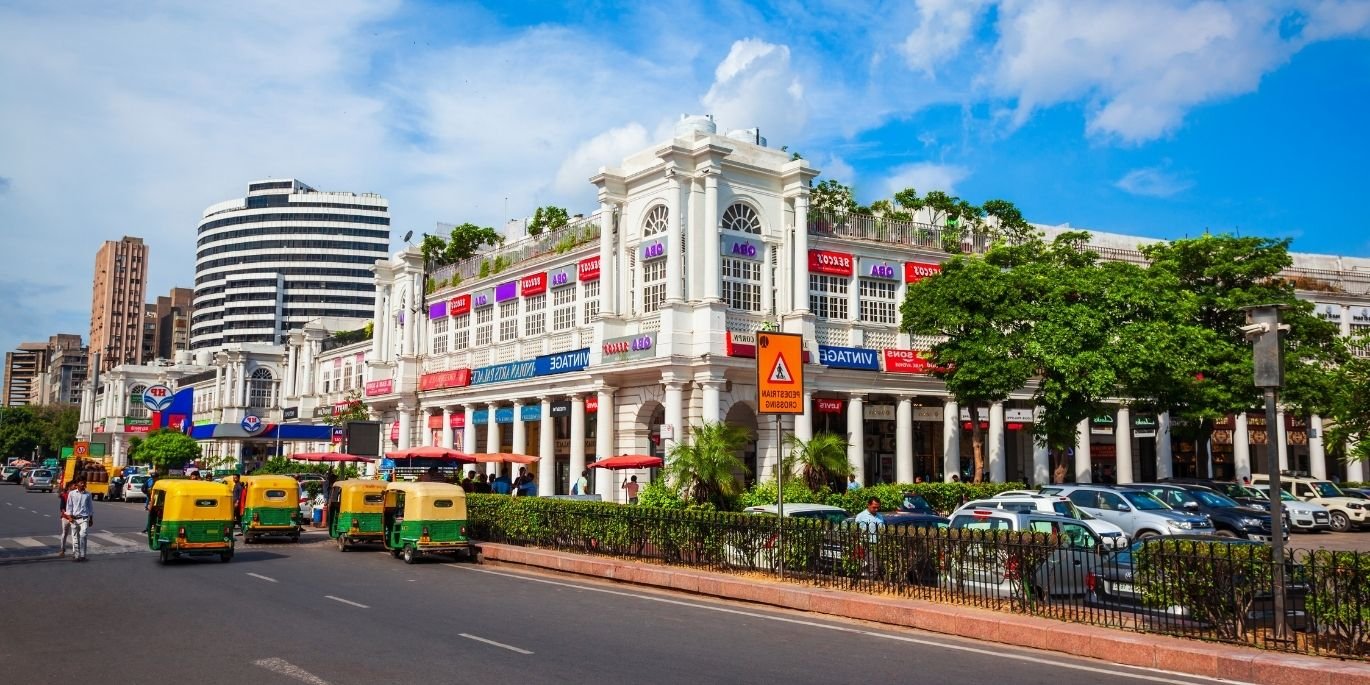
Often called “CP”, Connaught Place is the heart of New Delhi’s commercial and social life. Built during the British era, it now blends colonial architecture, shopping, dining and nightlife.
Why visit:
- Great spot for shopping, cafes, people-watching and evening walks.
- Central location and easily accessible by metro.
- Good to include when you want modern contrast to the heritage sites.
Travel tips:
- For best experience, visit after sundown when lights come on and the area buzzes.
- Pick up souvenirs or enjoy a relaxed dinner in one of the many restaurants.
- Don’t forget to check lesser lanes around CP for hidden cafés and local boutiques.
10. Dilli Haat (INA or Janakpuri) & Street-Culture

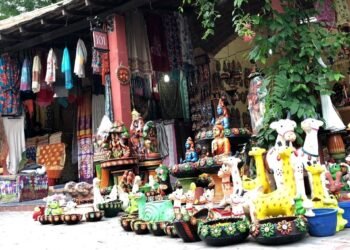
A great way to end your Delhi tour: visit Dilli Haat – open-air craft markets, regional food stalls from across India, cultural performances – lively, colourful and vibrant.
Why visit:
- Combines shopping (handicrafts, souvenirs), eating (regional cuisines) and culture (performances).
- Suitable for families, couples and solo travellers wanting something fun yet relaxed.
- Easy to fit in after the heavier historical visits.
Travel tips:
- Bring cash as some stalls may not accept cards.
- Haggling is often expected, especially for crafts.
- Visit later in the afternoon or early evening when the area is lively.
Practical Tips for Visiting Delhi
- Best time to visit: October to March when weather is pleasant (though evenings can get chilly).
- Transport: Use Delhi Metro where possible – it’s fast, air-conditioned and avoids traffic jams. Auto-rickshaws and app-based cabs are handy too.
- Clothing: For temple/mosque visits, dress modestly (shoulders & knees covered). Comfortable footwear is a must.
- Safety & Awareness: Standard tourist precautions apply - watch for pick-pockets, maintain hydration, be aware of air-quality especially in winter months.
- Time Management: Try to mix heritage sites (morning) with lighter, more relaxed spots (afternoon/evening).
- Local Cuisine: Don’t miss street-food in Old Delhi (under safe conditions).
- Accommodation: Choose a central area (Connaught Place, South Delhi) for easy access to most places.
Why Delhi Should Be on Your Bucket List
Delhi is not just a city, but a living museum of India’s past and present. From emperor-era palaces to modern urban parks, vibrant markets to spiritual temples, it has layers of experience. Whether you’re travelling for history, culture, photography, food, shopping or just broadening your horizons — Delhi delivers. Plus, its accessibility (from India and abroad), wealth of choices and the grandeur of its landmarks make it a compelling destination.
Closing Note
As you plan your visit to Delhi, allow enough time for each of these ten places, but also leave room for spontaneity – some of the best experiences in Delhi happen while wandering a little off planned routes. With this guide you have a solid foundation: the must-see landmarks, travel tips, and insight to craft your own memorable Delhi journey.
Happy travels and may your time in Delhi be enriching, exciting and unforgettable!